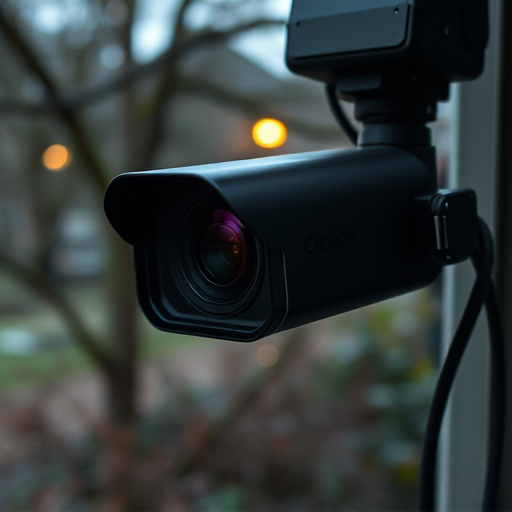
In counter surveillance, professionals employ Mock Camera Placement for Deterrence as a powerful strategy against secret observers. By strategically positioning realistic mock cameras in high-risk areas, they create a psychological barrier, discouraging unauthorized observation attempts. This method is highly effective in securing sensitive locations like government facilities and critical infrastructure sites. Combined with advanced technologies like thermal imaging and signal jammers, mock camera placement ensures thorough security sweeps, deterring intrusions and hidden surveillance equipment. Recent case studies from tech corporations and government agencies highlight the success of this tactic in safeguarding critical assets from evolving threats.
In an era where surveillance is omnipresent, understanding and countering hidden cameras and other monitoring devices has become crucial for professionals in diverse fields. This comprehensive guide explores professional methods for conducting counter surveillance sweeps, focusing on strategic mock camera placement as a deterrent. From uncovering sophisticated tactics to real-world case studies, this article equips readers with the knowledge to navigate today’s complex landscape. Learn how to identify and neutralize hidden threats effectively using cutting-edge tools and techniques.
- Understanding Counter Surveillance: Unveiling Common Tactics
- Mock Camera Placement: A Strategic Deterrent
- Professional Tools and Techniques for a Comprehensive Sweep
- Case Studies: Real-World Applications of Counter Surveillance Sweeps
Understanding Counter Surveillance: Unveiling Common Tactics
In the realm of counter surveillance, understanding the tactics employed by those seeking to observe or gather information secretly is paramount for professionals. One of the most common methods used by would-be surveillants involves the strategic placement of mock cameras as a deterrent. These fake devices are designed to appear realistic but serve no actual recording function, acting as psychological barriers and encouraging individuals to believe they’re under constant watch. By employing such tactics, professionals can assess potential threats and implement proactive measures to protect sensitive areas.
Additionally, understanding that surveillance techniques often include the use of advanced technology, such as heat signatures or infrared imaging, allows experts to counter these methods effectively. Awareness of these common practices enables professionals to identify subtle anomalies, adjust security protocols, and maintain a step ahead in the constant dance of protecting information and assets from unwanted eyes.
Mock Camera Placement: A Strategic Deterrent
Mock Camera Placement serves as a powerful strategic deterrent in counter surveillance sweeps, offering more than just a visual barrier. By strategically positioning simulated cameras in high-risk areas, professionals can significantly alter the behavior of potential surveillants. These mock cameras mimic the appearance and placement of real security equipment, sending a clear message that any attempt at unauthorized observation will not go unnoticed. The psychological impact is profound, as individuals may be less likely to engage in surveillance activities when faced with the perception of constant monitoring.
This method is particularly effective in sensitive locations such as government facilities, corporate headquarters, and critical infrastructure sites. By integrating realistic mock cameras into a comprehensive counter surveillance strategy, professionals can enhance physical security measures while also deterring potential threats. This dual approach ensures that even if an intruder manages to bypass physical barriers, they will be significantly discouraged from attempting any form of covert observation.
Professional Tools and Techniques for a Comprehensive Sweep
In conducting a comprehensive counter surveillance sweep, professionals rely on a suite of advanced tools and techniques to detect and mitigate covert listening devices, often employing innovative methods that go beyond conventional searches. One such tactic is the strategic placement of mock cameras as a deterrent. By setting up realistic-looking camera setups in various locations throughout a target area, experts create an environment where potential intruders or surveillance setuppers are less likely to attempt installation due to the perceived increased risk and consequences.
These mock cameras, crafted with meticulous attention to detail, serve as visual reminders of ongoing surveillance, acting as powerful psychological deterrents. Combined with technical tools like thermal imaging devices, metal detectors, and signal jammers, professionals can conduct thorough sweeps, ensuring every corner and crevice is examined. This multi-layered approach leverages both physical and technological means to provide a comprehensive security solution against hidden surveillance equipment.
Case Studies: Real-World Applications of Counter Surveillance Sweeps
In recent years, counter surveillance sweeps have become an integral part of security protocols for businesses and government agencies worldwide. These sweeps involve meticulous strategies to detect and mitigate advanced surveillance devices that could compromise sensitive information. Case studies from various sectors offer insightful examples of successful implementations. For instance, a major tech corporation conducted regular counter surveillance sweeps as part of its data protection measures. By employing mock camera placement techniques to deter potential intruders, they significantly reduced the risk of unauthorized access to their research facilities.
Another notable case involves a government agency conducting covert operations. They utilized advanced counter surveillance equipment to sweep high-security areas, identifying hidden cameras and other devices that could compromise classified information. This proactive approach not only enhanced their operational security but also set a precedent for future sweeps in similar environments. These real-world applications underscore the effectiveness of well-planned counter surveillance sweeps in safeguarding critical assets from evolving threats.
In conclusion, a robust counter surveillance sweep involves understanding advanced tactics, employing strategic mock camera placement as a deterrent, and utilizing professional tools. As illustrated through real-world case studies, these methods ensure comprehensive protection against hidden cameras and other covert surveillance devices. By integrating these strategies, individuals and organizations can significantly enhance their security posture in today’s digital age. Remember that staying ahead of potential threats is key to safeguarding sensitive information and maintaining privacy.