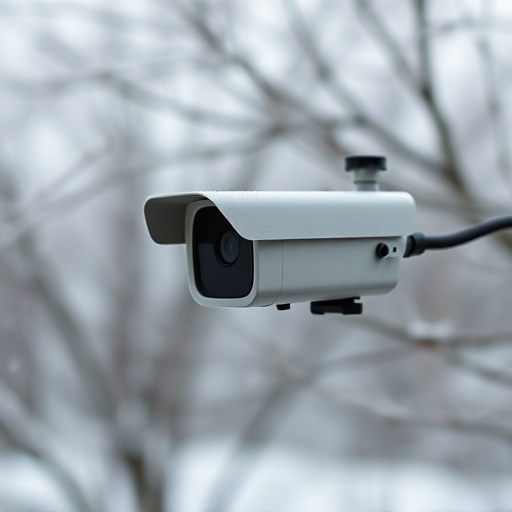
Mock camera placement strategically uses inactive but realistic surveillance devices to enhance safety and deter crime. By placing these decoy cameras in visible, high-risk areas like ATMs, public spaces, and back alleys, businesses create the perception of constant observation, discouraging theft, vandalism, and unauthorized access. Effective mock camera placement prioritizes visibility and accessibility while respecting privacy rights through legal compliance and transparent communication. Regular maintenance ensures system effectiveness.
“Unleash the power of a pinhole camera for enhanced security with strategic mock camera placement. This comprehensive guide navigates the art of installing these discreet devices in common locations, offering maximum deterrence. From understanding mock camera positioning to legal and ethical considerations, we provide essential tips for optimal results. Discover how to enhance your security measures while respecting privacy rights. By following our advice on installation and maintenance, you’ll ensure your pinhole cameras remain effective tools.”
- Understanding Mock Camera Placement
- Choosing the Right Location for Maximum Deterrence
- Legal and Ethical Considerations
- Tips for Installation and Maintenance
Understanding Mock Camera Placement
Understanding Mock Camera Placement for Deterrence
Mock camera placement, also known as dummy cameras or decoy surveillance, is a strategic approach to enhancing security and deterring criminal activity. By strategically positioning realistic-looking but inactive cameras in various locations, businesses and properties can create the illusion of constant surveillance. This psychological tactic leverages the human tendency to avoid behaviors that might be caught on camera, thereby reducing the likelihood of theft, vandalism, or other illicit activities.
Effective mock camera placement should consider factors like visibility, accessibility, and the specific areas requiring protection. Typically, these cameras are placed in plain sight, such as on walls, ceilings, or near entrances and exits, to deter potential intruders. The key is to make the environment appear highly monitored, even if it’s not actively recording, thus acting as a powerful deterrent in deterring criminal behavior.
Choosing the Right Location for Maximum Deterrence
Choosing the right location is a crucial step in installing a pinhole camera for maximum deterrence. High-risk areas such as ATMs, security-sensitive buildings, and well-trafficked public spaces are ideal spots. Strategically placing mock camera equipment can significantly enhance security without being obvious to potential criminals. By simulating real surveillance gear, these hidden cameras act as a powerful deterrent, encouraging honest behavior and reducing the likelihood of theft or vandalism.
Consider environments where unauthorized access is a concern, such as back alleys, loading docks, and entry points that are out of direct view. Mounting them in plain sight with mock lenses and cables creates an illusion of constant surveillance, making it less attractive for criminals to target these areas. This approach leverages the psychological impact of security measures, acting as a silent guardian that keeps potential intruders at bay.
Legal and Ethical Considerations
When installing a pinhole camera, whether for security or artistic purposes, it’s crucial to balance creative freedom with legal and ethical boundaries. While mock camera placement for deterrence can be an effective crime-prevention measure, positioning cameras in public spaces raises privacy concerns. It’s essential to familiarize yourself with local laws regarding surveillance equipment and obtain any necessary permits.
Transparency is key; clearly communicate the presence of the camera to avoid alarm or mistrust from individuals who might unknowingly enter a monitored area. Respecting privacy rights while utilizing pinhole cameras for security or artistic expression demands thoughtful consideration of mock camera placement, ensuring compliance with legal frameworks governing surveillance technology.
Tips for Installation and Maintenance
When installing a pinhole camera, choosing the right location is only half the battle. Effective mock camera placement plays a pivotal role in deterring potential criminals, making it an essential step in enhancing security. Strategically positioning these discreet cameras in visible areas, such as windows, doors, or on walls facing common entry points, can significantly discourage unwanted visitors. Remember, the goal is to create the illusion of constant surveillance, even when the actual camera isn’t visible.
Regular maintenance ensures your pinhole camera system remains effective. This includes routine checks for any signs of damage or obstruction, as well as testing the recording and transmission quality. Keeping the lenses clean and free from debris is crucial for optimal visibility. Additionally, ensure power sources are reliable and backup batteries are readily available to prevent unexpected outages from compromising your security.
When installing a pinhole camera, strategic placement is key. By understanding mock camera placement and choosing the right location, you can maximize deterrence while adhering to legal and ethical considerations. With proper installation and regular maintenance, these discreet devices can significantly enhance security without compromising privacy. Remember, an informed approach to Mock Camera Placement for Deterrence is essential for effective surveillance.