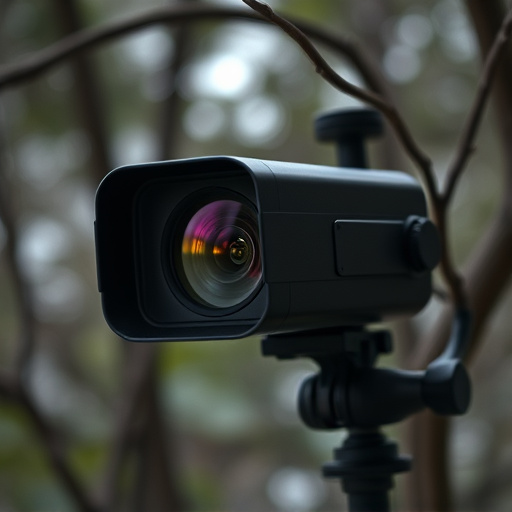
Landlords considering mock camera placement for deterrence in rental properties must balance security needs with tenant privacy rights. Strategically positioned cameras that look like real security equipment but have no recording capabilities can discourage criminal activity without violating personal boundaries. Local laws and ethical considerations require clear communication, limited coverage, and respect for privacy expectations to maintain trust and foster a fair balance between landlord and tenant interests in mock camera placement.
In today’s era of heightened security, landlords increasingly turn to mock camera placement as a deterrent to crime in rental properties. However, the practice raises significant ethical and legal questions regarding tenant privacy. This article explores the intricate balance between effective surveillance tactics and protecting tenants’ rights. We examine common hidden spots in kitchens and bathrooms, dissect the impact on trust, and offer insights into responsible mock camera placement for deterrence while upholding ethical boundaries.
- Understanding Mock Camera Placement Laws and Ethics
- Common Hidden Spots in Rental Kitchens and Bathrooms
- The Impact on Tenant Privacy and Trust
- Deterring Crime: Effective vs. Invasive Surveillance Tactics
Understanding Mock Camera Placement Laws and Ethics
Understanding Mock camera placement laws and ethics is crucial before considering their implementation in rental properties. Mock cameras, or dummy cameras that mimic real surveillance equipment, are a popular deterrence measure for landlords to prevent property damage and illegal activities. However, their use comes with legal and ethical considerations. Landlords must adhere to local privacy laws, which often restrict the placement of cameras inside rental units without tenant consent. Even outside areas like hallways or common spaces require careful placement to avoid breaches of privacy.
The ethics behind mock camera placement for deterrence involve balancing security needs against individual freedoms. While cameras can act as a powerful deterrent, they should not be used invasively. Landlords should clearly communicate the presence and purpose of mock cameras to tenants, ensuring transparency and trust. Ethical deployment involves limiting camera coverage to essential areas, avoiding constant monitoring, and respecting tenant expectations of privacy.
Common Hidden Spots in Rental Kitchens and Bathrooms
In rental kitchens, it’s common to find hidden cameras in seemingly innocuous places like under the sink, behind appliances, or even within fake fire detectors. These devices are often designed to look like everyday items, making them effective deterrents against theft or vandalism. Landlords may also install motion-activated cameras inside cabinets or pantries to capture intrusions without raising suspicion.
Bathrooms pose unique challenges due to their intimate nature, but creative mock camera placements can still serve as a deterrent. Look for devices disguised as common bathroom accessories like soap dispensers, hand dryers, or even toilet paper holders. These hidden surveillance spots help maintain privacy while ensuring the safety and integrity of the property.
The Impact on Tenant Privacy and Trust
The presence of secret surveillance spots in rental properties has profound implications for tenant privacy and trust. While landlords have legitimate security concerns, installing hidden cameras without transparency erodes the fundamental trust between them and their tenants. Tenants feel constantly monitored, creating an atmosphere of unease and suspicion. This breach of privacy can lead to a breakdown in communication and make tenants feel like they cannot relax or feel safe in their own homes.
Moreover, mock camera placement for deterrence is often ineffective and counterproductive. Instead of enhancing security, it instills fear and encourages tenants to engage in secretive behaviors. True security comes from open dialogue and clear policies regarding surveillance, not hidden devices that undermine trust. Tenants deserve to know when they are being recorded and under what circumstances, ensuring a fair balance between landlord security needs and tenant privacy rights.
Deterring Crime: Effective vs. Invasive Surveillance Tactics
Surveillance tactics in rental properties can be a double-edged sword, especially regarding tenant privacy and security. While effective surveillance aims to deter potential crimes, invasive measures can create an unsettling environment. A balance must be struck between safety and respect for personal boundaries.
One tactic gaining traction is the strategic placement of mock cameras, designed to appear as real security equipment but with no actual recording capabilities. This method acts as a psychological deterrent, encouraging would-be criminals to reconsider their actions without compromising tenant privacy. It’s about creating an illusion of heightened security rather than actively monitoring individuals.
While mock camera placement can be a powerful tool for deterring crime in rental properties, it’s crucial to balance security needs with tenant privacy and trust. Understanding local laws and ethical considerations is essential to implementing effective surveillance tactics without becoming overly invasive. By strategically placing cameras in common hidden spots while adhering to transparency and legal boundaries, landlords can maintain a safe environment for all residents without infringing on their personal space and peace of mind.