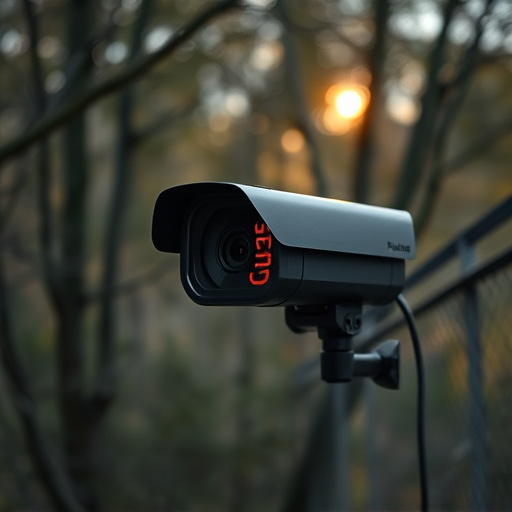
Understanding surveillance device frequencies is key to countering their signals. Mock camera placement, by strategically positioning decoys, confuses intruders and enhances security. Offenders tend to place cameras in discreet areas, so adapting strategies based on common tactics improves evasion. Physically obstructing line-of-sight access with foliage or structures further secures spaces from detection. Monitoring and analyzing electromagnetic signals allows for identifying device types and vulnerabilities, enabling effective countermeasures like mock camera placement for deterrence. Regular data review keeps countermeasures proactive and dynamic.
Surveillance devices, often disguised as everyday objects, emit electromagnetic signals that can reveal their hidden presence. Understanding these signals is key to maintaining privacy in today’s digital age. This article guides you through effective countermeasures, focusing on mock camera placement for deterrence. Learn how to identify potential surveillance device signals and strategically use physical obstructions to disrupt them. By monitoring and analyzing detected signals, you can take proactive steps to protect your personal space.
- Understand Electromagnetic Signals from Surveillance Devices
- Identify Potential Mock Camera Locations Strategically
- Utilize Physical Obstructions for Signal Deterrence
- Monitor and Analyze Detected Signals for Effective Countermeasures
Understand Electromagnetic Signals from Surveillance Devices
Surveillance devices, including hidden cameras and tracking devices, emit electromagnetic signals that can be detected using specialized equipment. Understanding these signals is crucial for effective countermeasures. One key aspect is recognizing that different types of surveillance devices operate on specific frequencies, from low-frequency (LF) to radio frequency (RF). Mock camera placement for deterrence involves strategically positioning dummy cameras or other decoys to confuse and mislead potential intruders, who may be looking for visible or electronic signs of monitoring.
By simulating legitimate camera locations, you can make it harder for unauthorized individuals to determine the actual positions of active surveillance equipment. This tactic not only discourages surveillance activities but also helps in developing effective security protocols. Additionally, staying informed about the latest electromagnetic signal detection techniques and technologies will empower you to stay ahead of potential threats, ensuring a more secure environment.
Identify Potential Mock Camera Locations Strategically
When planning to detect and avoid surveillance devices, one of the first steps is to identify potential mock camera locations strategically. These hidden cameras can be placed in various locations to monitor activities, making them hard to spot. By analyzing your surroundings and considering common areas where surveillance might be employed, you can anticipate potential mock camera placements. Think about entry points, windows, doorways, and any elevated positions that offer clear lines of sight into sensitive areas.
Mock camera placement for deterrence involves more than just identifying likely spots; it’s also about understanding the psychology behind why these devices are positioned there in the first place. Offenders often choose locations where they can discreetly observe without drawing attention, so looking for signs of previous surveillance and adapting your strategies accordingly is key. This proactive approach can significantly enhance your ability to evade unwanted observation.
Utilize Physical Obstructions for Signal Deterrence
To deter electromagnetic signal interference from surveillance devices, consider employing physical obstructions in strategic locations. This can involve strategically placing objects like dense foliage, large structures, or even simple barriers to block line-of-sight access for cameras and other sensors. By mimicking the effect of a Mock Camera Placement for Deterrence, you create an environment where potential intruders are less likely to detect their presence, offering a more secure space.
Additionally, physical obstructions can help reduce the overall signal strength in an area, making it harder for surveillance devices to capture accurate data. This layer of protection is particularly effective in residential or commercial settings where privacy is paramount.
Monitor and Analyze Detected Signals for Effective Countermeasures
Once you’ve successfully detected electromagnetic signals from surveillance devices, the next step is crucial: monitor and analyze these signals to develop effective countermeasures. By studying the patterns, frequencies, and intensities of the signals, you can gain insights into the type of device being used, its range, and potential vulnerabilities. This analysis enables you to deploy smarter counter-surveillance tactics, such as employing mock camera placements for deterrence. Strategically positioning realistic fake cameras in unsuspecting areas can confuse and mislead would-be spies, making it a powerful tool in your defense arsenal.
Regularly reviewing the data gathered from signal detection ensures that your countermeasures remain dynamic and tailored to the evolving landscape of surveillance technology. This proactive approach allows you to stay one step ahead, safeguarding sensitive information and critical infrastructure from unwanted prying eyes.
By understanding electromagnetic signals, strategically identifying potential mock camera locations, utilizing physical obstructions, and monitoring detected signals, individuals can significantly enhance privacy protection. These measures act as powerful tools in countering surveillance device signals, emphasizing the importance of both proactive detection and strategic counter-placement for effective deterrence, such as employing Mock Camera Placement for Deterrence.